What Is a Combined Pediatric Dentistry and Orthodontics Practice, and What Are the Benefits?
A combined pediatric dentistry and orthodontics practice brings two dental specialties together under one roof. Board-certified pediatric dentists and orthodontists, each with two to three years of residency training beyond dental school, work as a team rather than in separate locations. This model covers everything from your baby's first checkup through braces, retainers, and teen orthodontic care.
What makes this different from a general dentist who offers braces? Specialized training. Pediatric dentists complete additional residency years focused specifically on kids' dental development and behavior management. Orthodontists do the same for tooth and jaw alignment. At practices like ICON Pediatric Dentistry & Orthodontics, both specialists share a practice, collaborate on treatment plans, and catch issues that might slip through the cracks elsewhere.
Think of it as having two experts in constant conversation about your kid's smile. The pediatric dentist spots a developing bite issue during a routine cleaning. Instead of writing a referral and hoping the information transfers correctly, they walk down the hall and discuss it with the orthodontist that same day.
According to the American Dental Association, roughly 50% to 70% of kids will need some form of orthodontic care during their lifetime. That's a significant number, and having both specialists already working together means families are better positioned when the time comes.
How Does a Dual-Specialty Practice Coordinate Your Child's Care?
Dental care starts earlier than most parents realize. The American Academy of Pediatric Dentistry recommends that first dental visit by age one. This establishes a dental home and sets the stage for a positive relationship with oral care.
During those early visits, your pediatric dentist does more than check for cavities. They're watching jaw development and monitoring how teeth come in. They're also noting anything that might need orthodontic attention down the road.
Here's how the coordination typically works:
- Early monitoring begins at that first birthday visit, with the team tracking growth patterns over time
- The pediatric dentist flags concerns when they notice crowding, spacing, or bite issues
- Internal referral happens instantly, no paperwork shuffle, no waiting for outside appointments
- Records and imaging stay in one system so both doctors see the full picture
- Ongoing check-ins continue because dental health directly affects how well orthodontic treatment goes
This back-and-forth communication means nothing falls through the cracks. Your kid's cavity history, their comfort level with dental visits, their growth patterns, all of this information stays connected.
Key Benefits of Choosing a Combined Pediatric Dentistry and Orthodontics Practice
The key benefits of a combined pediatric dentistry and orthodontics practice include:
- Continuity of care
- Earlier detection of issues
- Simplified scheduling
- Collaborative treatment planning
- Reduced costs from shared diagnostics
Here's a closer look at what matters most to families.
How Does Continuity Build Comfort for Kids?
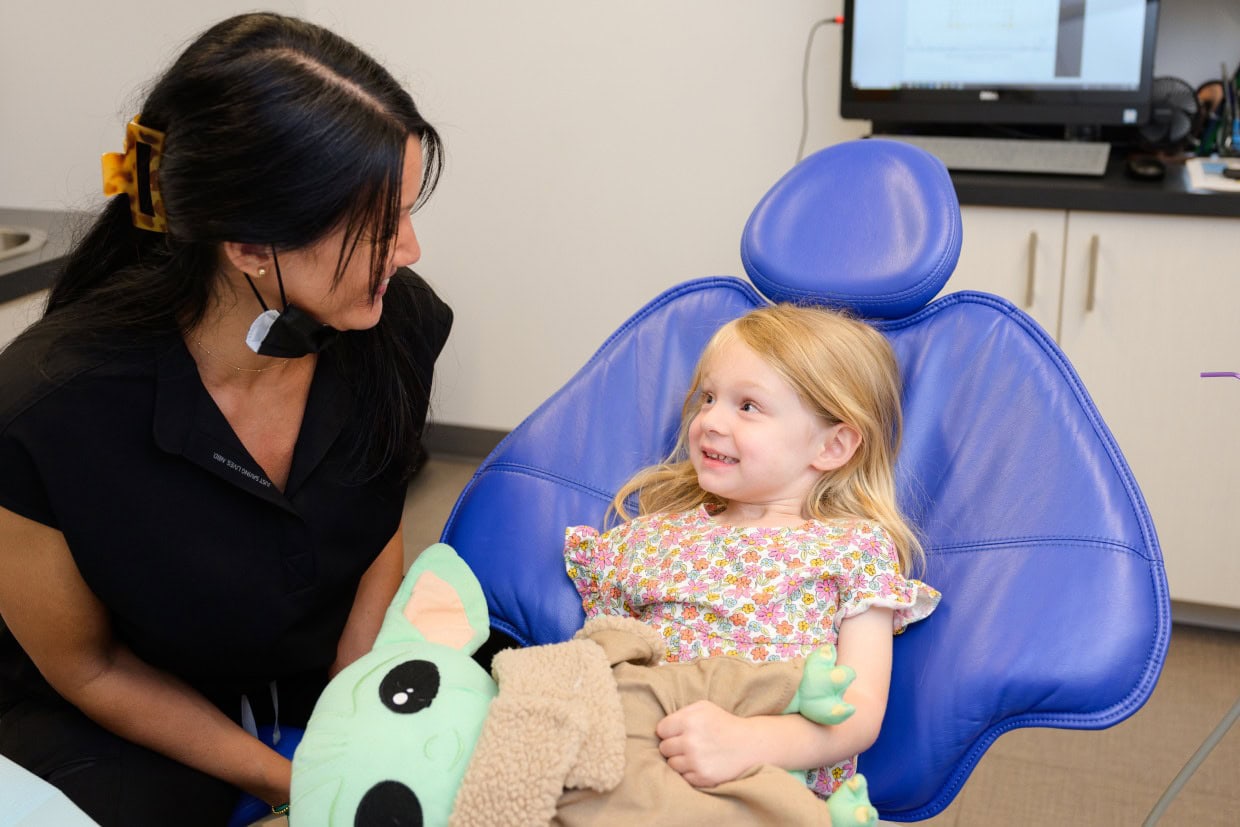
Kids who've been seeing the same team since toddlerhood feel more relaxed when it's time for braces. They know the practice. They know the faces. That familiarity goes a long way toward keeping kids calm and cooperative during every visit.
Why Does Earlier Detection Lead to Better Timing?
According to the American Association of Orthodontists, kids should have their first orthodontic evaluation by age seven. When your pediatric dentist and orthodontist share a practice, that evaluation happens naturally as part of ongoing care. Catching issues early often means simpler, shorter treatment down the line.
How Does Convenience Impact Your Family?
One practice means fewer locations to remember, consolidated appointment scheduling, unified billing and insurance processing, and less time off work and school. For busy families juggling multiple kids' schedules, this kind of simplicity matters more than you'd expect.
Dual expertise also protects your kid's overall oral health. Sometimes what's best for straightening teeth isn't ideal for dental health, or vice versa. When specialists collaborate, they find solutions that work for both.
A practice designed around young families knows how to make a seven-year-old feel safe and a fifteen-year-old feel respected. That expertise carries through every visit. Because orthodontic work doesn't exist in isolation, cavity risk, enamel strength, and gum health all affect how treatment goes. At ICON Pediatric Dentistry & Orthodontics, integrated planning accounts for everything.
Combined Practice vs. Separate Pediatric Dentist and Orthodontist
| Factor | Combined Practice | Separate Practices |
|---|---|---|
| Records | Shared system, instant access | Requires transfer, potential delays |
| Communication | Direct, same-day collaboration | Phone calls, faxes, waiting |
| Scheduling | One practice coordinates both | Families manage two calendars |
| Imaging | Shared X-rays and scans | Often need duplicate imaging |
| Treatment Planning | Specialists discuss in person | Written referrals, limited back-and-forth |
| Familiarity | Same team throughout | Kid adjusts to new environment |
When your kid sees separate providers, their pediatric dentist might notice early crowding and write a referral. That referral goes to an orthodontic practice where the team doesn't know your kid's history, their comfort triggers, or how they respond to care.
Here's something families often miss: a general dentist who offers orthodontics isn't the same as a dual-specialty practice. General dentists don't complete the additional two to three years of residency training that board-certified orthodontists do. At dual-specialty practices with both board-certified specialists, each specialty maintains its own credentials and training standards.
How Much Does a Combined Pediatric Dentistry and Orthodontics Practice Cost?
Combined pediatric dentistry and orthodontics practices generally cost the same as separate providers. Families may save money through shared diagnostic imaging, simplified insurance billing, and earlier detection of orthodontic issues that reduces treatment complexity.
Many families assume specialized care costs more. The reality is more nuanced than that. Shared diagnostic imaging means you're not paying for the same X-rays twice. Insurance billing flows through one practice, reducing administrative errors. And when orthodontic issues get caught early, the braces experience is often simpler than waiting until things progress further.
Here's what to keep in mind about costs:
- Insurance verification matters. Confirm that both pediatric dentistry and orthodontics are covered under your plan
- Many combined practices offer payment plans and calculators that help you find a budget that worked for your family's situation
- Early intervention may reduce the scope of future treatment, which can mean lower overall costs for your family
- Consolidated visits mean less time off. The indirect cost of multiple appointments at different practices adds up
Always ask about financial options during your free orthodontic consultation. A good practice will walk you through insurance benefits, payment plans, and what to expect before care begins.
Is a Combined Pediatric Dentistry and Orthodontics Practice Right for Your Family?
A combined practice is ideal for families with multiple kids, those with a child approaching age seven, or anyone who values coordinated specialist care under one roof. Not every family needs both services at the same time, but many find the combined model fits their situation perfectly.
A dual-specialty practice makes sense if:
- Multiple kids at different stages of dental development are in the picture
- Your kid is approaching age seven and due for an orthodontic evaluation
- Long-term care from one team matters to you
- Busy schedules make simplified appointment coordination a real priority
- A kid with special needs benefits from familiar faces and environments
- Direct specialist communication, rather than referral letters, is something you prefer
The biggest advantage is relationship continuity. First cavity filling, fluoride treatments, orthodontic evaluation, braces adjustment, retainer check, all with people who've known your kid for years. That consistency creates trust. And trust makes dental care less stressful for everyone.
Families looking for this kind of long-term partnership often find that combined practices like ICON Pediatric Dentistry & Orthodontics deliver exactly what they need.
Frequently Asked Questions About Combined Dental and Orthodontic Practices
When Should My Kid First Visit a Combined Practice?
The American Academy of Pediatric Dentistry recommends dental visits start by age one. For orthodontic evaluation, the AAO recommends age seven. A combined practice handles both naturally as part of ongoing care, so you don't need to coordinate separate appointments.
Will My Kid See the Same Doctor for Both Services?
Different specialists handle each service. The pediatric dentist manages cleanings, fillings, and general dental care, while the orthodontist handles braces, aligners, and bite correction. The key difference is that these specialists work together, share records, and coordinate treatment plans within the same practice.
Can Adults Receive Orthodontic Care at a Dual-Specialty Practice?
Many combined practices serve the whole family. While the pediatric dentistry side focuses on kids, orthodontic services often extend to teens and adults. Invisalign, traditional braces, and other alignment options are typically available for all ages.
Is Care More Expensive at a Dual-Specialty Practice?
Costs are generally comparable to seeing separate providers. Shared diagnostics and simplified billing can reduce overall expenses in some cases. Verify your insurance coverage for both specialties and ask about payment options during your initial free orthodontic consultation.
What Orthodontic Options Are Available at a Combined Practice?
Most dual-specialty practices offer the full range of orthodontic options, including:
- Traditional metal braces
- Clear braces
- Invisalign and clear aligners
- Early interceptive care for younger kids
Your orthodontist recommends options based on your kid's specific needs and the dental history the pediatric team has tracked over time.